

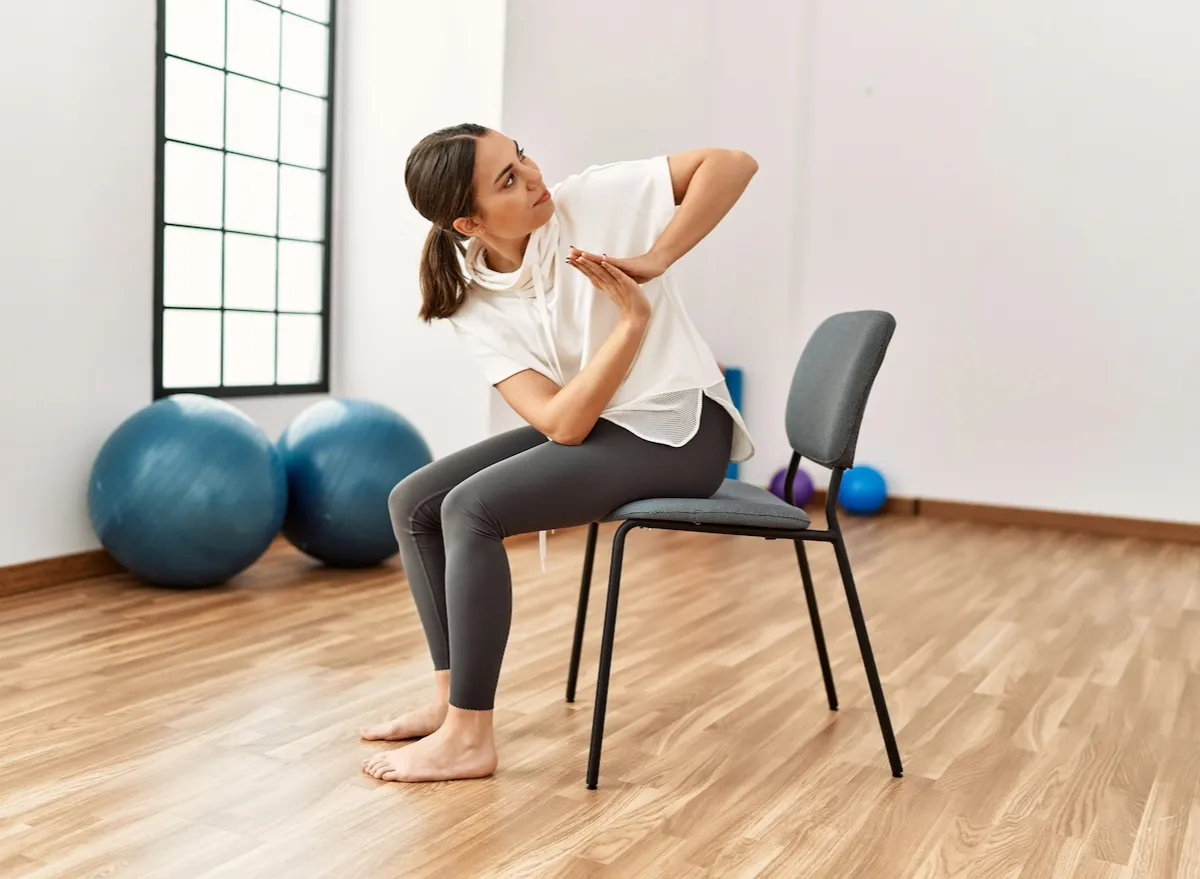
Workplace wellness often fails when it is too complicated, too time-consuming, or too difficult for employees with different fitness levels. Not everyone wants to join a gym challenge, run after work, or attend an intense group workout. This is why Chair yoga can be a practical wellness tool for desk-based teams. It is accessible, low-pressure, and directly relevant to the physical strain created by office work.
Chair yoga can be practiced with minimal setup. Employees do not need special equipment, advanced fitness, or a full wardrobe change for short workplace sessions. The chair they already use can become a support for movement, breath, posture, and stress relief.
Why Desk-Based Teams Need Movement
Office work may not look physically demanding, but it creates strain through repetition and stillness. Employees sit for long hours, look at screens, type, attend meetings, and often forget to move.
Common issues include neck tension, tight shoulders, lower back stiffness, tired eyes, shallow breathing, and low afternoon energy. These problems can affect comfort, focus, and mood.
Chair yoga addresses these issues directly because it works from the seated and supported positions employees already use.
An Inclusive Wellness Option
Many workplace wellness activities unintentionally exclude people. A running challenge may not suit employees with knee issues. A gym session may intimidate beginners. A competitive sport may not appeal to everyone.
Chair yoga is more inclusive. It can be modified for different ages, body types, fitness levels, and mobility needs. Employees can participate without feeling pressured to perform advanced movements.
This makes it useful for companies that want wellness programs employees can actually use.
Short Sessions Can Still Help
Workplace chair yoga does not need to be one hour long. Even a ten to fifteen-minute session can help employees reset. A short sequence may include seated breathing, neck release, shoulder mobility, spinal twists, wrist stretches, ankle movement, and posture awareness.
These small breaks can reduce stiffness and mental fatigue. They also encourage employees to step away from continuous screen focus.
The goal is not to replace full exercise. It is to add movement into the workday.
Stress Relief Without Leaving the Office
Employees often carry stress in the body. They may hold the breath during deadlines, raise the shoulders during calls, or clench the jaw during difficult tasks. Chair yoga can help them notice and release these patterns.
A simple breathing exercise while seated can calm the nervous system. Gentle movement can reduce tension. A short pause can improve emotional regulation before the next meeting.
This makes chair yoga practical for high-pressure work environments.
Better Posture Awareness at Work
Posture training is more effective when it happens in the same environment where poor posture occurs. Chair yoga can teach employees how to sit with more awareness at their actual desk.
They can learn how to ground the feet, lengthen the spine, relax the shoulders, and breathe without collapsing forward.
This is more useful than giving general advice like “sit straight.” Employees need practical body awareness, not vague instructions.
Reducing Screen Fatigue
Screen fatigue affects the eyes, neck, shoulders, and mind. Chair yoga can include movements that look away from the screen, move the neck gently, stretch the wrists, and open the chest.
These practices give the body a break from the fixed screen posture. They also encourage employees to stop multitasking for a few minutes.
A proper break should not simply be more phone scrolling. Chair yoga offers a healthier reset.
Easy to Implement in Corporate Settings
Chair yoga can be introduced through short guided sessions, wellness workshops, lunch break classes, team reset sessions, or hybrid office programs. It does not need a large studio space.
For remote teams, chair yoga can also be offered through live video sessions. Employees can join from home using a stable chair.
This flexibility makes it easier for businesses to include wellness without major disruption.
Why Managers Should Keep It Optional
Workplace wellness should not feel forced. Employees should be invited, not pressured. Some may feel uncomfortable moving in front of colleagues. Others may have medical conditions or prefer different wellness activities.
Making chair yoga optional creates a healthier culture. It allows employees to participate because they want to, not because they feel watched.
Wellness is most effective when it respects personal choice.
Productivity Through Recovery
Chair yoga should not be promoted only as a productivity hack. Its real value is helping employees feel better in their bodies. When people are less tense and more comfortable, focus may improve naturally.
Companies benefit when employees have practical tools for recovery. But the purpose should remain human wellbeing.
A healthier workplace is not built only through output. It is built through sustainable work rhythms.
A Practical Wellness Fit
Chair yoga is simple, accessible, and highly relevant to desk-based work. It can help employees move more, breathe better, reduce stiffness, and become more aware of posture during the day.
For businesses and professionals in Singapore looking for workplace-friendly wellness options, Yoga Edition can be part of a practical approach to movement, recovery, and employee wellbeing.
FAQs
Can chair yoga be done in office clothes?
Yes, if the session is gentle and clothing allows basic movement. Tight skirts, stiff trousers, or restrictive jackets may make some movements uncomfortable, so employees can modify.
How long should a workplace chair yoga session be?
A practical session can be 10 to 20 minutes. Longer sessions may work for wellness days, but short breaks are easier to fit into normal office schedules.
Should chair yoga happen at desks or in a meeting room?
Both can work. Desk sessions are convenient, while a meeting room gives employees more privacy and space. The best choice depends on team comfort.