

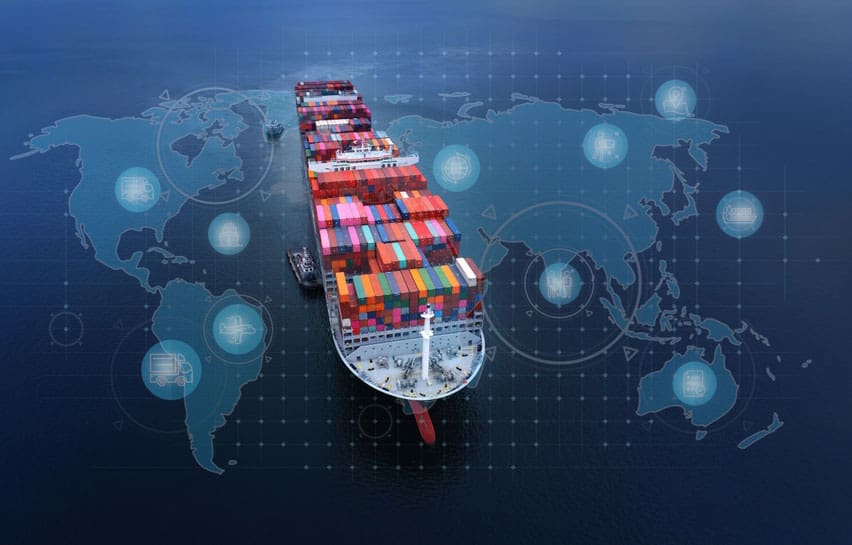
Modern global trade is often envisioned as an abstract exchange of capital, treaties, and digital currencies moving across borders. In reality, the foundation of international commerce is physical, mechanical, and relentlessly operational. Every imported smartphone, barrel of refined petroleum, prescription antibiotic, and piece of woven apparel exists because of an intricate web of logistics known as the global supply chain.
A supply chain is far more than a sequence of trucks, cargo vessels, and storage warehouses. It is an integrated global circulatory system that coordinates raw material extraction, component assembly, multimodal shipping, customs compliance, and last-mile distribution across dozens of sovereign jurisdictions. As technological innovation, geopolitical friction, and consumer expectations evolve, the strategic design of these logistics networks determines the economic prosperity of nations and the survival of multinational enterprises.
The Structural Anatomy of International Logistics
Global trade relies on the smooth handoff of goods between distinct, specialized phases of production. When these handoffs function efficiently, manufacturers achieve economies of scale that lower consumer prices worldwide.
Raw Material Sourcing and Upstream Processing
The supply chain journey starts long before finished parts reach an assembly plant:
- Resource Extraction: Mining industrial ores, harvesting agricultural staples, and refining petrochemicals happen in concentrated geographical zones where natural deposits exist.
- Primary Processing: Smelters, grain mills, and chemical plants convert raw resources into standardized industrial materials such as sheet aluminum, polymer pellets, and spun yarn.
- Component Fabrication: Specialized tier-three and tier-two suppliers machine intermediate components like microprocessors, hydraulic valves, and automotive fasteners that meet rigorous engineering tolerances.
Midstream Assembly and Multimodal Freight
Once components are ready, the logistical challenge transitions to long-distance transit and final production:
- Intermodal Containerization: Standardized steel shipping containers allow freight to move seamlessly between ocean container vessels, double-stacked freight trains, and heavy diesel trucks without handling the cargo directly.
- Global Assembly Hubs: Strategic production facilities take advantage of regional labor markets, proximity to shipping lanes, and favorable free trade zones to assemble complex goods like automobiles, medical devices, and industrial machinery.
- Maritime Chokepoints: Ocean transit routes funnel through critical waterways such as the Strait of Malacca, the Suez Canal, and the Panama Canal. These narrow passages serve as vital conduits for global tonnage, where disruptions can stall billions of dollars in daily trade.
The Evolution from Pure Cost Efficiency to Resilient Sourcing
For the past forty years, international supply chain management followed a clear principle: lean, just-in-time manufacturing. Corporate planners prioritized low production costs, minimum warehouse storage, and global sourcing from the lowest-cost labor markets. While this model generated remarkable corporate profits, it left international trade vulnerable to sudden operational shocks.
The Vulnerability of Extended Networks
Recent geopolitical conflicts, public health emergencies, and labor disputes exposed the fragility of hyper-optimized networks:
- Single-Source Bottlenecks: Depending on a single factory, geographic province, or company for critical materials like rare earth elements or advanced semiconductor chips creates catastrophic exposure if that supplier shuts down.
- Warehouse Depletion Risks: Operating with near-zero safety stock means a brief three-day port delay can force manufacturing lines thousands of miles away to shut down for weeks.
- Shipping Cost Swings: Fluctuating container shipping rates and unpredictable vessel backlogs introduce severe cost volatility that disrupts cash flow for import-reliant businesses.
Strategic Shoring and Diversification
To mitigate these systemic vulnerabilities, corporate executives and sovereign trade authorities have shifted from pure cost minimization toward risk mitigation and operational resilience:
- Nearshoring and Reshoring: Moving critical production hubs closer to destination consumer markets, such as North American companies shifting manufacturing from Asia to Mexico or the United States, compresses transit days and reduces geographic exposure.
- The China Plus One Strategy: Maintaining existing primary manufacturing facilities while setting up secondary plants in alternative nations like Vietnam, India, or Malaysia provides a functional hedge against localized disruptions.
- Strategic Safety Buffers: Companies are replacing pure just-in-time logistics with just-in-case inventory buffers, storing essential sub-assemblies and replacement components in regional distribution hubs.
Digitalization and Visibility Across Modern Trade Networks
Managing a multi-tier supply chain across different continents is impossible using manual paperwork, phone updates, and fragmented spreadsheets. Modern international commerce depends on real-time data integration, algorithmic tracking, and automated documentation.
Real-Time Fleet and Cargo Visibility
Modern supply chain leaders demand minute-by-minute visibility into the precise location and physical condition of their cargo:
- Sensor Networks: Satellite-connected telematics tags and environmental sensors track container location, ambient temperatures, humidity levels, and shock impacts in transit, which is vital for temperature-sensitive pharmaceuticals and perishable food supplies.
- Automated Port Facilities: Modern maritime terminals use automated gantry cranes, autonomous container-hauling carriers, and optical character recognition gates to load and unload mega-vessels around the clock with minimal human intervention.
- Algorithmic Route Optimization: Advanced logistics software recalculates multimodal shipping routes in real time based on weather forecasts, port wait times, canal transit queues, and regional fuel costs to avoid costly chokepoints.
Customs Modernization and Compliance
Crossing international borders introduces regulatory hurdles that can stall freight:
- Digital Manifest Clearing: Paper shipping manifests have been replaced by electronic data exchanges that transmit cargo declarations to national customs agencies before a vessel even departs its origin port.
- Single-Window Border Interfaces: Digital customs platforms streamline international trade documentation, enabling freight forwarders, terminal operators, and government inspectors to process inspections, duties, and safety clearances simultaneously.
Environmental Sustainability and Decarbonization Pressures
Supply chains are both the engine of global trade and a major contributor to global carbon emissions. Heavy freight transport, energy-intensive storage facilities, and single-use packaging generate significant environmental footprints. As consumers and regulators demand higher sustainability standards, the logistics sector is making substantial structural investments to lower emissions.
- Alternative Maritime Fuels: The shipping industry is shifting toward cleaner alternative fuels, commissioning vessels powered by green methanol, liquefied natural gas, and ammonia to comply with international maritime emission limits.
- Fleet Electrification for Drayage: Replacing diesel trucks with battery-electric models for short-haul port drayage cuts localized urban air pollution and reduces transportation carbon footprints.
- Circular Logistics Models: Forward-thinking companies build reverse logistics pipelines to collect, repair, refurbish, or recycle end-of-life products, recovering valuable rare earth minerals and engineering plastics.
Modern supply chains are not mere back-office operational concerns; they are the strategic foundation of international commerce, national security, and global economic stability. The health of international trade depends directly on how effectively companies and countries build, protect, and modernize these logistics networks. By balancing cost optimization with supply resilience, adopting real-time digital visibility, and committing to sustainable transport, organizations ensure their trade pipelines remain dependable in an increasingly volatile global economy.
Frequently Asked Questions
What is the functional difference between logistics and supply chain management?
Logistics focuses specifically on the physical transportation, warehousing, and inventory handling of goods from one point to another within a network. Supply chain management is a broader, overarching discipline that includes logistics alongside strategic sourcing, procurement, product design, production scheduling, vendor negotiations, and customer service integration across all organizational tiers.
How do Incoterms influence international trade and supply chain accountability?
Incoterms, or International Commercial Terms, are standard contractual rules published by the International Chamber of Commerce that define the precise distribution of financial costs, shipping responsibilities, and physical risks between buyers and sellers during international trade. They clarify which party pays for freight, customs duties, and export clearance, as well as the exact physical moment risk transfers from the seller to the buyer.
Why are maritime chokepoints considered a major vulnerability for global trade networks?
Maritime chokepoints are narrow, high-volume sea corridors that offer the fastest water routes between major economic continents. Because alternate shipping routes around entire continental landmasses require thousands of additional miles and weeks of travel time, any physical blockage, military conflict, or severe drought limiting canal capacity creates massive backlogs, drives up freight rates, and disrupts global manufacturing schedules.
What is the bullwhip effect in supply chain management, and how does it harm manufacturers?
The bullwhip effect occurs when small shifts in retail consumer demand trigger increasingly exaggerated fluctuations up the supply chain through distributors, component manufacturers, and raw material extractors. Because every tier builds in its own safety stock buffer based on delayed forecasts rather than live point-of-sale data, upstream suppliers often overproduce inventory, resulting in high storage costs, product obsolescence, and volatile production swings.
How does nearshoring protect businesses from currency fluctuations and import tariffs?
Nearshoring relocates production facilities closer to consumer markets, often within unified regional trade agreements such as North American or European single-market frameworks. This proximity eliminates long-distance ocean shipping vulnerabilities, shelters transactions from fluctuating intercontinental trade tariffs, and reduces exchange-rate risks by conducting business in more closely aligned or domestic currencies.
What is the difference between primary packaging, secondary packaging, and tertiary logistics packaging?
Primary packaging is the direct consumer-facing wrap that encloses the actual retail product, like an aluminum can or cosmetic bottle. Secondary packaging bundles individual retail units together for display and store inventory, such as a corrugated cardboard box holding twelve cans. Tertiary packaging is the heavy-duty industrial shipping wrap, including wooden pallets, heavy plastic stretch film, and steel bands, designed to protect goods during intermodal transit and warehouse storage.
Why is third-party logistics preferred by growing businesses over building private freight networks?
Building private warehouses, purchasing transport truck fleets, and maintaining custom logistics software requires immense capital expenditures that strain growing companies. Third-party logistics providers offer flexible, shared infrastructure, established freight carrier contracts, and multi-client warehouses. This allows businesses to scale their shipping capacity up or down with market demand while paying only for the storage and shipping services they actively use.