

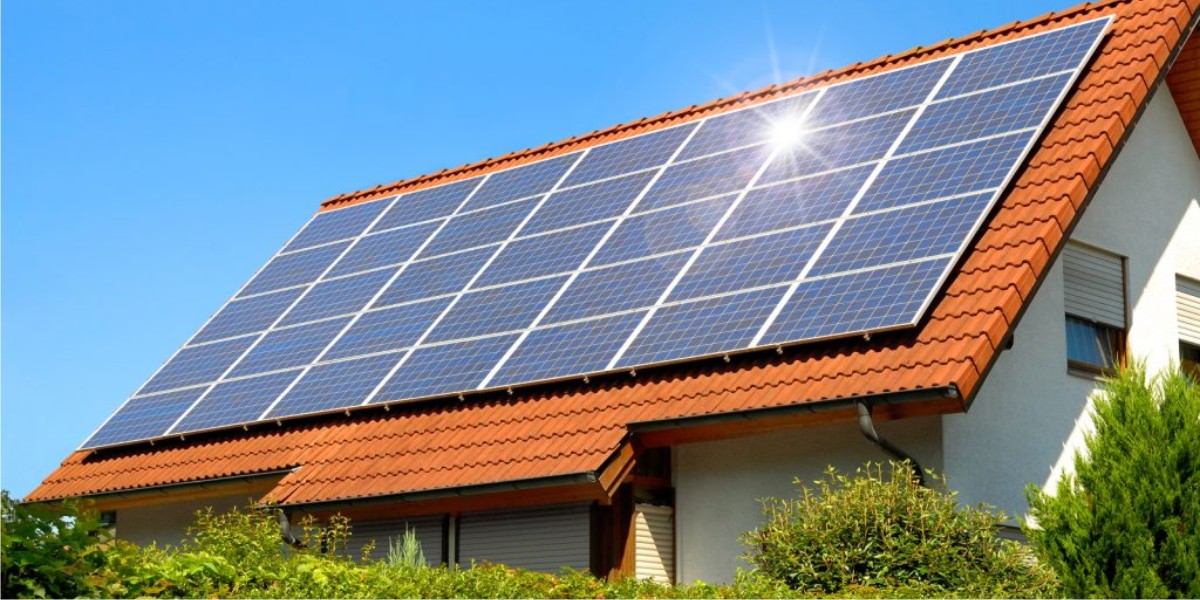
Thailand’s energy needs keep rising as homes, shops, and offices use more power for cooling, lighting, and daily life. At the same time, electricity costs can place pressure on household and business budgets. This has led many people to look at rooftop solar as a practical way to manage power use in a hot climate.
A solar installation on a roof allows a building to produce electricity from sunlight during the day. In Thailand, this suits local conditions well because the country receives strong sunshine across much of the year. Rooftop systems can help reduce dependence on grid electricity during peak daylight hours, which is often when air conditioning demand is high.
For many property owners, solar rooftop systems are part of a wider plan to improve energy efficiency. They are often considered alongside better insulation, energy-saving appliances, and smarter power use habits. In Thai cities and towns, where roofs are exposed to long hours of sun, this approach can make good sense from both an economic and environmental view.
A solar rooftop system usually includes panels, an inverter, mounting equipment, and wiring. The panels capture sunlight and turn it into direct current electricity. The inverter then converts that power into alternating current, which can be used by common electrical devices in the building. Some systems also include battery storage, though many operate without batteries and use the grid as support when solar output drops.
Thailand’s climate makes solar power attractive, but local factors still matter. Roof angle, shade from nearby buildings or trees, and the condition of the roof all affect system performance. In urban areas such as Bangkok, limited roof space may shape the size of a system. In other parts of the country, detached homes or small commercial buildings may have more space for panels and better sun exposure.
Weather also plays a role. Thailand has a clear dry season and a rainy season, so electricity output can vary during the year. Even so, solar panels still generate power on cloudy days, though at lower levels. High temperatures can also affect panel efficiency, so proper design and ventilation are useful when planning a system.
Another point to consider is regulation. People thinking about rooftop solar in Thailand should review local rules, grid connection requirements, and any permits that may apply. Technical standards matter too, as safe installation and reliable equipment help reduce long-term issues. Regular checks and basic cleaning are often enough to keep panels working well, especially in areas with dust, leaves, or bird droppings.
Solar rooftop systems are not a one-size-fits-all answer, but they offer a practical option for many buildings in Thailand. With strong sunlight, rising energy demand, and growing interest in lower-emission power, rooftop solar has become an important part of the energy discussion. For households and businesses that want to take a closer look at their electricity use, it offers a clear and useful path worth considering.